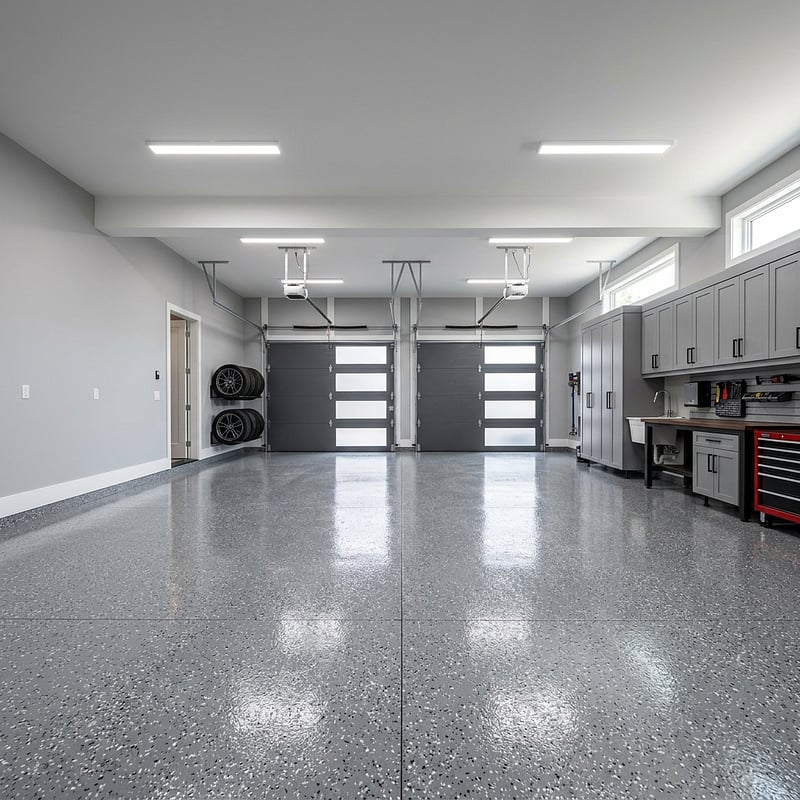
Underground water vapors constantly migrate upward through concrete slabs. If a non-porous floor finish—like epoxy, vinyl, or polyurethane—is installed over concrete with high moisture emission, water becomes trapped underneath. This creates immense hydrostatic pressure, leading to adhesive failure, bubbling, and complete delamination.
Identifying Subfloor Moisture Issues
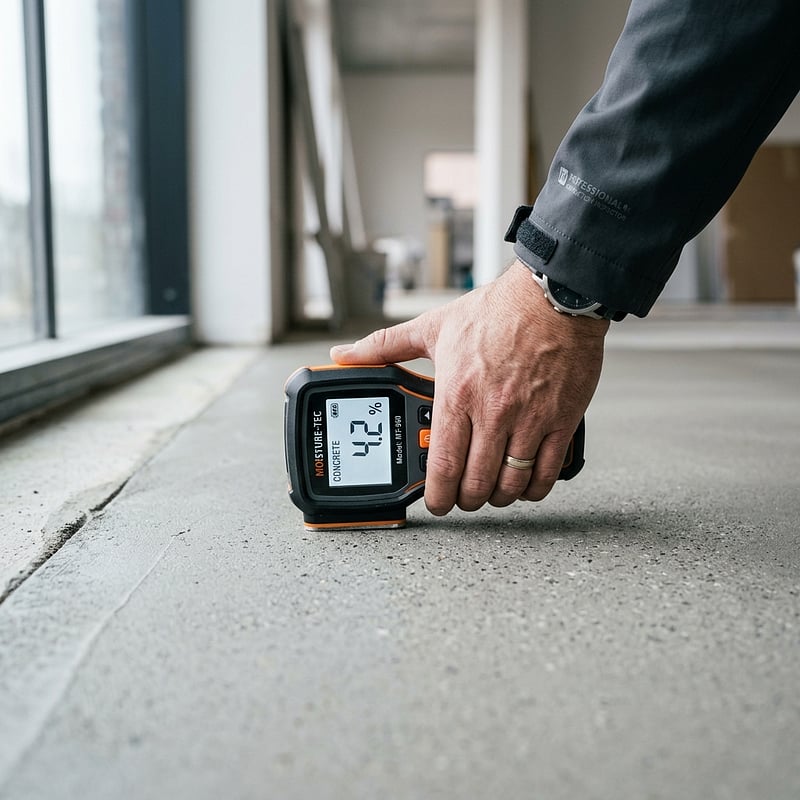
Many builders assume a concrete slab is dry if it looks light grey on the surface. However, concrete holds deep reservoirs of water. The only way to guarantee a safe installation is through scientific testing methods:
- Relative Humidity (RH) Probe Testing: Involves drilling holes into the concrete and inserting sensors to measure internal moisture levels. The standard threshold is typically 75% RH or lower.
- Calcium Chloride Test: Measures the moisture vapor emission rate (MVER) from the slab surface over a 72-hour period.
Applying Moisture Vapor Barriers
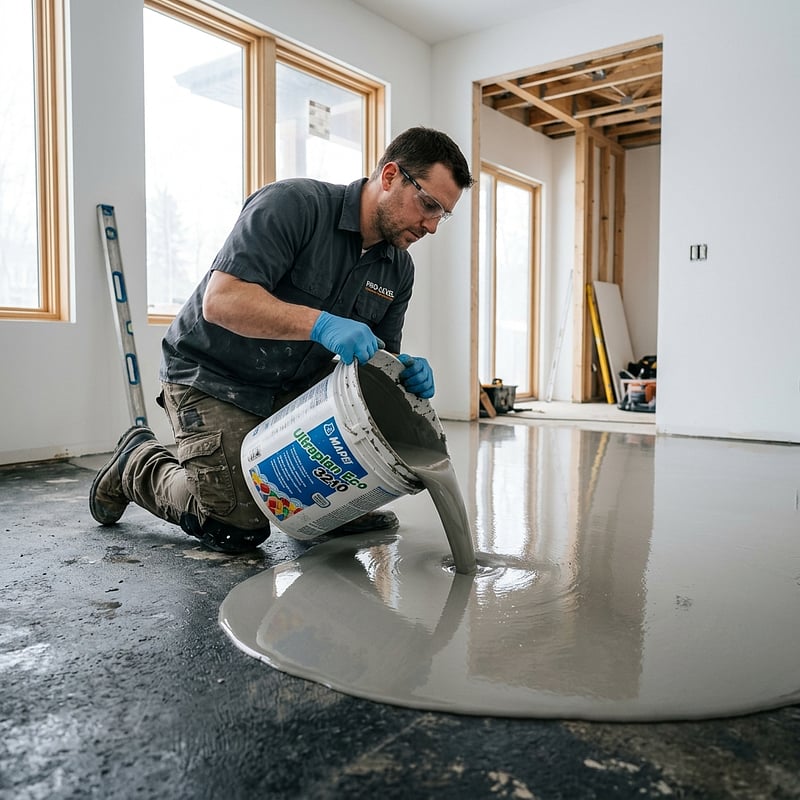
If tests show moisture levels above tolerance, FloorLab installs specialized epoxy moisture vapor barriers (MVBs). These high-density resins penetrate deep into the concrete capillaries, blocking vapor transmission and creating a secure, dry bonding surface for subsequent leveling compounds or topcoats. Never skip moisture auditing; it is the single most important insurance policy for your commercial floor.